If you have been searching for DSIP for sale, you have probably noticed that delta sleep-inducing peptide is available as both lyophilized powder and prepared research spray. The harder part is determining which supplier provides transparent testing, accurate specifications, reliable shipping, and clear research-use restrictions.
DSIP, also known as emideltide, is a nine-amino-acid neuropeptide with the sequence Trp-Ala-Gly-Gly-Asp-Ala-Ser-Gly-Glu. It was originally isolated during experiments involving slow-wave sleep and has since been investigated for possible effects on sleep architecture, stress responses, pain signaling, and neuroendocrine activity.1 2 3
However, most human studies are small and several decades old. Recent FDA reviewers described the evidence for insomnia and other proposed uses as preliminary or insufficient.4
That distinction matters when buying DSIP peptide. A responsible vendor should sell it as a laboratory research chemical rather than an approved sleep treatment, and buyers should prioritize a batch-specific certificate of analysis over broad claims about purity or potential benefits.
This guide compares three DSIP sources based on product format, stated testing practices, pricing transparency, and the documentation currently visible on each company’s website.
Research-use notice: DSIP is not FDA approved for treating insomnia or any other medical condition. The products discussed below are marketed for laboratory research and are not intended for human or veterinary consumption.
3 Reputable DSIP Peptide Sources
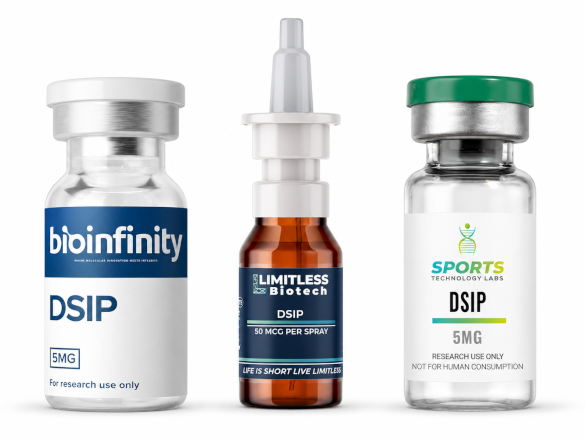
The DSIP market includes a wide range of peptide suppliers, but product quality, testing transparency, and available formats can vary considerably.
For this comparison, we focused on companies that provide clear product specifications, third-party testing information, and straightforward research-use labeling.
We also considered pricing, shipping policies, available vial sizes, and whether batch-specific certificates of analysis were accessible.
Based on those factors, the following three suppliers stand out as the strongest options for researchers looking to purchase DSIP in 2026.
#1. BioInfinity
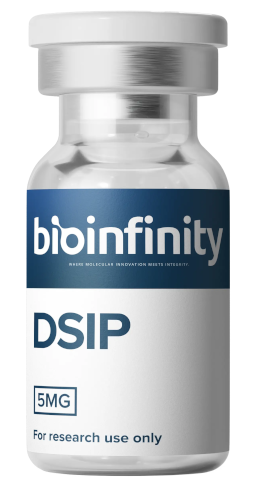
BioInfinity is our top overall option for researchers looking to buy DSIP peptide in a traditional lyophilized format. The company currently lists both 5 mg and 10 mg sizes, giving laboratories more flexibility than vendors offering only one vial strength.
At the time of this review, the 5 mg vial is listed at $70 and the 10 mg option at $140. BioInfinity also advertises quantity discounts: three to five units receive 15% off, while six or more reduce the listed 5 mg price to $56 per unit.
Orders placed before 2 p.m. Eastern Time are advertised as shipping the same business day, with free shipping available on orders over $200.
BioInfinity describes its DSIP as a freeze-dried powder with at least 99% purity and third-party testing. Its product page includes the peptide sequence, molecular formula, molecular weight, and a research summary covering sleep architecture and stress-related models.
One important transparency note is that the current listing displays “COA Pending,” even though other parts of the page refer to third-party testing and a public COA library. Researchers should verify that a certificate for the specific batch being purchased has been posted.
A useful DSIP COA should identify the product batch and include both purity analysis, commonly conducted through high-performance liquid chromatography, and identity confirmation through mass spectrometry.
BioInfinity earns the number-one position because of its vial-size options, visible pricing, quantity discounts, domestic fulfillment, and research-focused product information. The pending batch certificate is still worth checking before ordering.
View The DSIP On The BioInfinity Website →
#2. Limitless Biotech
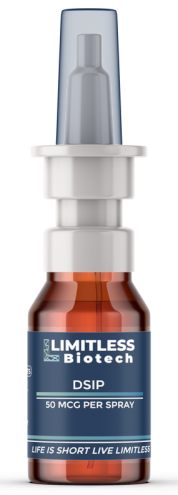
Limitless Biotech is the most distinctive option on this list because it offers a prepared DSIP research spray rather than only lyophilized powder. The product contains 5 mg of DSIP in a 5 mL amber glass bottle equipped with a spray pump.
That format may be useful for laboratories studying intranasal delivery systems, solution stability, spray-device performance, or circadian research models. It should not be interpreted as proof that intranasal DSIP has an established human dosage or demonstrated clinical effectiveness.
Older human DSIP research primarily involved intravenous administration. The doses used in those studies cannot simply be converted into a particular number of nasal sprays.
Limitless states that its products meet a minimum 98.5% purity standard and are tested by certified third-party laboratories. The DSIP page links to several purity, sterility, and endotoxin certificates for lyophilized DSIP batches.
The company also notes that the spray may contain trehalose as a lyoprotectant or solubility agent. Researchers should confirm whether the certificates linked from the page correspond to the finished spray, the peptide ingredient used to prepare it, or both.
Pricing is available only after obtaining professional research access, making a direct price comparison less convenient. Nevertheless, Limitless is the strongest of these three sources for a ready-made DSIP spray.
Researchers who require exact pump-delivery volume, excipient details, concentration verification, and finished-product testing should request that information before incorporating the spray into a controlled experiment.
View DSIP Spray at Limitless Biotech →
#3. Sports Technology Labs
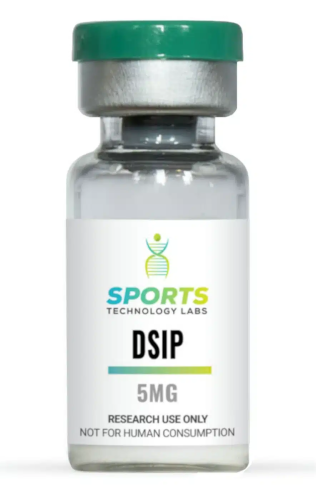
Sports Technology Labs offers DSIP as a 5 mg lyophilized vial and is the lowest-priced option in this comparison. At the time of review, the product is listed at $46.99 and shown as in stock.
Its strongest feature is testing transparency. Sports Technology Labs publishes batch-linked certificates and states that identity and purity are evaluated by MZ Biolabs using HPLC and mass spectrometry.
The product page also provides the DSIP amino-acid sequence, CAS number, molecular formula, molecular weight, storage guidance, and a 60-day money-back guarantee.
However, the current batch is listed at 91% purity. That is substantially below the 98% to 99% standards promoted by the other suppliers in this comparison and may not be appropriate for studies requiring a highly purified test article.
The fact that Sports Technology Labs publishes the result rather than concealing it is a positive sign for transparency. Nevertheless, researchers should consider whether the impurity level could affect experimental reproducibility or interpretation.
The company recommends keeping sealed lyophilized peptide cool, dry, and protected from light. After laboratory reconstitution, it advises refrigeration at approximately 2°C to 8°C and avoiding repeated freeze-thaw cycles.
Sports Technology Labs ranks third because its currently posted purity result is the weakest of the three products reviewed. Before purchasing, check whether a newer batch and updated certificate of analysis are available.
View DSIP at Sports Technology Labs →
Frequently Asked Questions
DSIP remains an experimental peptide, and many of the most common questions surrounding it involve benefits, dosing, side effects, safety, and regulatory status.
Unfortunately, much of the available information online either overstates the research or presents unverified DSIP dosage recommendations as established fact.
The answers below summarize what is currently known from published studies while clearly separating preliminary findings from proven medical uses.
This section is intended to provide a balanced overview rather than personal medical or dosing advice.
What are the DSIP peptide benefits?
DSIP is primarily researched for its possible influence on sleep rather than as a conventional sedative.
Several older human studies reported shorter sleep-onset latency, improved sleep efficiency, fewer nighttime interruptions, or increases in deeper stages of sleep after intravenous DSIP.5 6
Other controlled studies found only minor changes or no statistically significant advantage over placebo.
This mixed evidence is why DSIP should not be described as a proven insomnia treatment. The FDA’s 2026 review concluded that the available studies were inconclusive and, at best, preliminary.
Common problems included extremely small sample sizes, inconsistent dosing schedules, inadequate control groups, differing baseline characteristics, and uncertain long-term benefits.
Beyond sleep, laboratory and animal research has explored possible effects on:
- Stress responses
- Pain signaling
- Antioxidant activity
- Seizure models
- Endogenous opioid pathways
- Certain neuroendocrine processes
A small human study also examined DSIP in chronic pain patients, but this evidence is not sufficient to establish a clinical benefit.
Claims that DSIP reliably reduces cortisol should also be treated cautiously. One controlled human study found that DSIP did not affect corticotropin-releasing hormone or meal-induced ACTH and cortisol secretion.7
The best summary is that DSIP has produced interesting research signals, particularly involving sleep architecture, but none of its proposed benefits has been confirmed through modern, large-scale clinical trials.
What is the DSIP dosage?
There is no FDA-approved DSIP dosage and no medically established schedule for injectable, intranasal, oral, or other consumer use.
Available numbers come from older experimental studies, most of which administered DSIP intravenously under clinical observation.
| Research context | Route used | Experimental amount | Important limitation |
|---|---|---|---|
| Small chronic-insomnia studies | Intravenous infusion | 25 nmol/kg, approximately 21.2 mcg/kg | Small samples and mixed controlled results |
| Repeated insomnia studies | Intravenous infusion | 30 nmol/kg on successive nights | Not validated as a clinical treatment schedule |
| FDA review of published human exposure | Intravenous | 25–150 nmol/kg for 1–15 days | Historical exposure rather than a recommended dose |
| Intranasal research | Various | 100–500 mcg per spray (1–2 sprays daily) | Supporting effectiveness and safety data remain inadequate |
The FDA review found no study supporting DSIP’s effectiveness through the nominated subcutaneous route. It summarized intravenous exposure in 209 subjects as part of its safety evaluation, not as an endorsed dosing protocol.
These figures should not be converted into syringe units, nasal-spray pumps, or a personal dose. The route of administration affects absorption, peak concentration, degradation, bioavailability, and risk.
A 5 mg vial or 5 mg spray bottle states only the total quantity of peptide in the container. It does not establish how much is delivered with each use or what amount would be safe or effective.
What are DSIP’s side effects?
DSIP’s side-effect profile is poorly established because the available human evidence is limited, dated, and focused mainly on intravenous administration.
In studies reviewed by FDA, reported transient effects included:
- Sweating
- Headache
- Nausea
- Vertigo
- General discomfort
- Low blood pressure
Cases of hypotension were reported, including one described as progressive after a second injection.8 Interpretation was complicated because some subjects were undergoing alcohol or opioid withdrawal and because there were reported formulation or solubility problems.
Research products can also introduce risks unrelated to the DSIP molecule itself. These may include incorrect concentration, peptide-related impurities, aggregation, microbial contamination, endotoxins, or degradation caused by improper storage.
FDA has raised immunogenicity concerns for emideltide, particularly with injectable routes. Peptides and peptide aggregates may potentially provoke immune responses, and the consequences of those responses can be difficult to predict.
The lack of numerous adverse-event reports does not prove that DSIP is safe. It has not been widely used under standardized, regulated conditions, meaning uncommon or long-term effects may remain unknown.
Is DSIP safe?
DSIP cannot currently be considered proven safe for self-administration.
Some small intravenous studies described it as reasonably well tolerated, but the combined evidence cannot establish safety across different doses, formulations, routes of administration, and treatment durations.
There is especially little reliable human evidence for subcutaneous and intranasal DSIP. A prepared nasal spray may appear more convenient than lyophilized powder, but convenience does not establish pharmacokinetics, mucosal safety, systemic exposure, sterility, or an appropriate dose.
People experiencing insomnia should also remember that sleep problems can be caused by sleep apnea, medication side effects, anxiety, depression, chronic pain, alcohol use, stimulants, circadian disruption, or other underlying medical conditions.
For legitimate laboratory purchasing, safety begins with a batch-specific COA, identity testing, suitable purity, documented storage, controlled handling, and appropriate institutional oversight. For personal treatment, DSIP should not be substituted for evaluation by a qualified medical professional.
Is DSIP FDA approved?
No. DSIP, or emideltide, is not FDA approved to treat insomnia, improve sleep, manage pain, assist opioid withdrawal, or address any other medical condition. It is not a component of an FDA-approved drug.
On July 24, 2026, the FDA’s Pharmacy Compounding Advisory Committee considered whether emideltide-related bulk substances should be recommended for inclusion on the Section 503A compounding list.9
The panel voted 7–6 against recommending inclusion, with one member abstaining. The narrowly divided vote is advisory rather than a final FDA decision, but it does not represent drug approval.
Even when a substance is eventually permitted for certain pharmacy-compounding purposes, that does not make the resulting products FDA approved.
Online DSIP products should therefore be represented only as research materials. A purity claim, certificate of analysis, or “made in the USA” statement does not mean that FDA has reviewed the finished product for safety, effectiveness, manufacturing consistency, or medical use.
Conclusion
Search interest in DSIP peptide for sale reflects continued curiosity about sleep-focused neuropeptide research. Early studies examined sleep latency, sleep efficiency, slow-wave activity, stress responses, and pain signaling.
At the same time, DSIP’s reputation online has moved well ahead of the available evidence. Human trials remain small and dated, findings are inconsistent, and no approved dosage or consumer route has been established.
Among the three suppliers reviewed, BioInfinity is the best overall option for traditional lyophilized DSIP because it offers 5 mg and 10 mg sizes, visible pricing, bulk discounts, and detailed specifications. Researchers should still confirm that the pending batch COA has been published before ordering.
Limitless Biotech is the most relevant source for laboratories specifically seeking a prepared DSIP spray, although the finished formulation, pump-delivery volume, and batch documentation should be verified.
Sports Technology Labs offers the lowest posted price and unusually clear testing disclosure, but its current 91% purity result deserves careful consideration.
Regardless of the vendor, do not rely on a general “third-party tested” badge alone. Confirm that the COA matches the actual product batch and review both the identity and purity results before purchasing.
DSIP remains an experimental research peptide—not an FDA-approved sleep medication. That makes transparent sourcing and cautious, evidence-based language essential for anyone studying this unusual nonapeptide.
References
- Iyer KS, Marks GA, Kastin AJ, McCann SM. Evidence for a role of delta sleep-inducing peptide in slow-wave sleep and sleep-related growth hormone release in the rat. Proc Natl Acad Sci U S A. 1988;85(10):3653-3656. doi:10.1073/pnas.85.10.3653; https://pmc.ncbi.nlm.nih.gov/articles/PMC280272/
- Roy K, Chauhan G, Kumari P, et al. Phosphorylated delta sleep inducing peptide restores spatial memory and p-CREB expression by improving sleep architecture at high altitude. Life Sci. 2018;209:282-290. doi:10.1016/j.lfs.2018.08.026; https://pubmed.ncbi.nlm.nih.gov/30107169/
- Larbig W, Gerber WD, Kluck M, Schoenenberger GA. Therapeutic effects of delta-sleep-inducing peptide (DSIP) in patients with chronic, pronounced pain episodes. A clinical pilot study. Eur Neurol. 1984;23(5):372-385. doi:10.1159/000115716; https://pubmed.ncbi.nlm.nih.gov/6548970/
- Bes F, Hofman W, Schuur J, Van Boxtel C. Effects of delta sleep-inducing peptide on sleep of chronic insomniac patients. A double-blind study. Neuropsychobiology. 1992;26(4):193-197. doi:10.1159/000118919; https://pubmed.ncbi.nlm.nih.gov/1299794/
- Monti JM, Debellis J, Alterwain P, Pellejero T, Monti D. Study of delta sleep-inducing peptide efficacy in improving sleep on short-term administration to chronic insomniacs. Int J Clin Pharmacol Res. 1987;7(2):105-110.; https://pubmed.ncbi.nlm.nih.gov/3583493/
- Schneider-Helmert D. Effects of delta-sleep-inducing peptide on 24-hour sleep-wake behaviour in severe chronic insomnia. Eur Neurol. 1987;27(2):120-129. doi:10.1159/000116143; https://pubmed.ncbi.nlm.nih.gov/3622582/
- Lesch KP, Widerlöv E, Ekman R, et al. Delta sleep-inducing peptide response to human corticotropin-releasing hormone (CRH) in major depressive disorder. Comparison with CRH-induced corticotropin and cortisol secretion. Biol Psychiatry. 1988;24(2):162-172. doi:10.1016/0006-3223(88)90271-5; https://pubmed.ncbi.nlm.nih.gov/2839244/
-
Yehuda S, Caspy T, Carasso RL. The circadian cycle effects of DSIP on colonic temperature, blood pressure, and heart rate in control and area postrema-lesioned rats. Int J Neurosci. 1988;42(3-4):259-265. doi:10.3109/00207458808991600; https://pubmed.ncbi.nlm.nih.gov/3209378/
- US Food and Drug Administration. July 23-24, 2026: Meeting of the Pharmacy Compounding Advisory Committee. Accessed July 26, 2026. https://www.fda.gov/advisory-committees/advisory-committee-calendar/july-23-24-2026-meeting-pharmacy-compounding-advisory-committee-07232026